

Brain Clot Symptoms: Early Signs, Causes, and Treatment Options
Can a brain clot heal itself? Because internal damage is involved, a brain clot usually requires medical attention for treatment. Sometimes it is done through medication, and sometimes it requires surgery. About 87% of strokes are ischemic, which means they are caused by blood clots. So, recognising the signs of a clot early is often the first step toward getting the right treatment in time.
This guide explores what a brain clot is, symptoms that you should pay attention to and how you can use the simple FAST test to spot warning signs. It also explains how a brain clot differs from a stroke or a brain haemorrhage, treatment options and steps that you can take to reduce the risk of a brain clot.
What Is a Brain Clot?
A brain clot refers to a condition in which there is a blockage in the brain’s blood vessels that stops normal blood flow. Here are a few factors connected with a brain clot:
- Formation of Brain Clot: A brain clot may be formed inside the brain artery itself (known as thrombosis), or it may travel from another part of the body, such as the heart, to the brain (a condition called embolism).
- Limited Supply of Oxygen: If there is a blockage in the brain’s blood vessels, it may limit the oxygen supply to the brain cells. This action may cause them to malfunction or die.
- Increases the Risk of Stroke: If a brain clot is left untreated, it may cause an ischemic stroke that results in permanent neurological damage.
- Key Difference from Brain Haemorrhage: In brain haemorrhage, bleeding happens inside the brain because of ruptured blood vessels instead of a blockage.
Early Brain Clot Symptoms You Should Not Ignore
There are certain symptoms that you shouldn’t neglect; otherwise, they may cause severe complications. Some of them include:
| Symptom | What It May Look Like? |
| Face drooping | Either the left or the right side of your face looks uneven or droops when you smile. |
| Arm or leg weakness | You may feel sudden weakness or numbness |
| Slurred speech | Difficulty in speaking clearly, trouble in understanding others’ words or mumbling |
| Vision problems | Blurry vision, seeing objects as double or loss of vision in one or both eyes |
| Severe headache | A sudden or intense headache with no obvious reason |
| Dizziness or imbalance | Suddenly facing issues while walking |
| Confusion | Facing issues in understanding speed, disorientation and cognitive difficulty |
| Seizures | Sudden electrical imbalance in the brain |
FAST Test for Brain Clot and Stroke Warning Signs
The FAST test helps to quickly spot the emergency signs of a brain clot or stroke. Here’s how you can use this method:
F – Face Drooping
Look at the face of the person and tell them to smile. If one side droops, feels numb or if their smile looks uneven, this could be a sign of issues in the brain.
A – Arm Weakness
Ask the person to gradually lift both arms. While lifting the arm, if one arm drifts down and feels weak or numb, it means that the part of the brain that controls movement is affected.
S – Speech Difficulty
Tell the person to speak a specific phrase. If their speech is hard to understand, they cannot find the right words or their speech is slurred, this is a serious warning sign of a brain clot.
T – Time to Seek Emergency Help
If you observe any of these symptoms, then do not delay and call the emergency services immediately.
Are brain clot symptoms always sudden?
Most of the brain clot symptoms appear suddenly. However, some people may notice a short episode of weakness, issues in speaking, blurry vision, dizziness or confusion. These systems could indicate a Transient Ischemic Attack (TIA) or mini stroke. TIA symptoms are temporary but occur because of a short-term reduction in the blood supply to the nervous system.
Brain Clot vs Brain Stroke vs Brain Haemorrhage
Sometimes it may become confusing to distinguish between a brain clot, a stroke or a brain haemorrhage. Here is a brief distinction among them:
| Condition | Meaning | Main Problem |
| Brain clot | A blood clot blocks a brain vessel | Reduced blood flow to specific brain tissues |
| Ischemic stroke | Stroke caused by blockage | Reduces the oxygen supply in the brain and causes cell death |
| Brain hemorrhage | Bleeding inside and surrounding area of the brain | Pressure and damage to brain tissue from bleeding |
| TIA | Temporary stroke-like symptoms | Short-term blood flow blockage with rapid recovery |
To know more about vascular emergencies, read our detailed guide on brain stroke vs brain haemorrhage.
Main Causes of Brain Clot
The primary cause of the brain clot is thickening of blood and sticking together inside the brain’s arteries or the brain’s venous drainage system. Along with that, here are a few more causes of brain clots:
High Blood Pressure
High blood pressure (Also known as hypertension) is on the list of leading risk factors for brain clots and ischemic stroke. Persistent high blood pressure damages the inner linings of the blood vessels. It makes them more vulnerable to plaque buildup and clot formation.
High Cholesterol
High levels of low-density lipoprotein (LDL) cholesterol result in the formation of plaque in your blood vessels. It makes the arteries narrower through a process known as atherosclerosis.
Heart Problems
Cardiovascular issues such as heart valve disease, atrial fibrillation, coronary artery disease and enlarged heart chamber may cause a blood clot to form inside the heart. These clots may travel to the brain, block an artery or cause an ischemic stroke.
Obesity and Sedentary Lifestyle
Obesity increases the risk of multiple health problems. These include diabetes, heart disease, high blood pressure or abnormal blood clotting. All of these conditions increase the risk of a brain clot.
Family History of Clotting Disorders
The family medical history of stroke or inherited clotting disorders may increase the risk of developing abnormal blood clots. Some people are more likely to get clots because of conditions like Factor V Leiden (a genetic mutation that makes your blood more prone to abnormal clotting) or other blood disorders.
Pregnancy, Hormonal Pills, or Recent Surgery
Fluctuations of estrogen during pregnancy and while using birth control pills may alter your blood composition and lead to the formation of clots. In addition, remaining immobile for prolonged periods following a surgical procedure is also a potential risk factor.
Who Is at Higher Risk of a Brain Clot?
Brain clots are more likely to occur in people who have uncontrolled high blood pressure (hypertension) and diabetes. Here are a few more groups of people who are at higher risk of blood clots:
- Individuals with a history of stroke or transient ischemic attacks
- Individuals with a high risk of hyperlipidaemia
- Smokers
- People with heart rhythm problems (like atrial fibrillation)
- Senior citizens
- People with blood clotting disorders
- Individuals who have been sedentary or have recently had surgery
How Is a Brain Clot Diagnosed?
A brain clot is diagnosed with a combination of neuroimaging scans, a clinical neurological examination and blood tests. Let’s have a brief look at each test:
| Diagnostic Test | Purpose of the Test |
| Neurological Examination | Your doctor checks the clarity of your speech, strength, vision, mobility and consciousness levels. |
| CT Scan | This imaging is used in emergency evaluation to find out the cause of bleeding in a shorter time span. |
| MRI Brain | An MRI scan provides a highly detailed image of the brain for detecting early ischemic changes in the brain tissues. |
| CT/MR Angiography | CT Angiography (CTA) and MR Angiography (MRA) are used to confirm the exact location, size and severity of a blood clot in the brain. |
| Blood Tests and Heart Evaluation | Your doctor may order a blood sugar test, cholesterol check, clotting profile, ECG and heart tests to find the root cause of the brain clotting. |
Brain Clot Treatment Options
Treatment of a brain clot requires immediate emergency medical attention to restore blood flow and reduce the risk of stroke. Some of the main treatments to cure the brain clot condition are as follows:
Emergency Medicines
Clot-dissolving medications, such as tPA, are very effective in dissolving blood clots. However, they should be administered within four and a half hours of when the symptoms first appear.
Blood Thinners or Antiplatelet Medicines
After giving the emergency treatment, doctors may prescribe patients antiplatelet medicines (such as aspirin) or anticoagulants (blood thinners) as per the underlying cause of the brain clot. Both of these medicines help to prevent the formation of new clots and reduce the risk of another stroke.
Mechanical Thrombectomy
In cases of heavy clots inside the large blood vessels, neurologists may perform a procedure known as mechanical thrombectomy. This procedure entails the removal of the clot using a catheter inserted into the blood vessel.
Surgery for Severe Swelling
In case of excessive pressure caused by the large stroke, it becomes necessary to perform an operation on the patient in order to lower the pressure. It happens very rarely, yet it becomes essential at times.
Rehabilitation After Brain Clot
Rehabilitation after a brain clot is a medical program made to help stroke survivors relearn skills that are lost when a clot has blocked the brain’s blood flow. Rehabilitation programs may include occupational therapy, speech and language therapy, physical therapy and cognitive rehabilitation to help patients regain movement and daily living skills.
Can a Brain Clot Be Treated Without Surgery?
Some brain clots might be treated without surgery when given proper medication. But the proper recovery depends on the type, size and location of the clot. Most of the early clots respond well to clot-busting medication and blood thinners. For serious cases, doctors may recommend that patients undergo surgery or a thrombectomy.
When Should You Consult the Neurologist?
You should consult a top neurologist if you experience repeated episodes of numbness, sudden weakness, trouble in speaking, severe headaches and dizziness. You should also not delay consulting a neurologist if you notice balance issues, seizures, memory changes or any stroke-like symptoms. If you experience any sudden or serious symptoms, then go to the emergency room without any delay.
Prevention Tips to Reduce Brain Clot Risk
Taking care of your body will reduce your chances of developing blood clots significantly. Here are a few steps you can follow to reduce the risk of blood clotting:
- Control high blood pressure using a low-sodium diet and prescribed medicine.
- Control your blood sugar.
- Ensure that your cholesterol levels remain healthy by avoiding saturated and trans fats.
- Avoid smoking.
- Exercising regularly with a target of at least 150 minutes per week.
- Maintain a healthy weight.
- Treat heart rhythm disorders by following your doctor’s guidance.
- Only take medicines and supplements as prescribed by your doctor.
- Taking blood thinners is recommended.
- Undergoing periodic checkups after a stroke or TIA.
Myths and Facts About Brain Clots
There are five myths about brain clots. Here is a quick breakdown of each of them:
| Myth | Fact |
| A brain clot’s main symptom is a headache | A brain clot may also cause weakness, speech issues, vision loss or confusion without any severe pain. |
| Symptoms will fade away on their own | Temporary symptoms like TIA need urgent evaluation to prevent a major stroke. |
| Only older people get brain clots | Brain clots can affect people of any age. |
| Home remedies can treat brain clots | Brain clots are medical emergencies that need immediate treatment. |
| Stroke and brain clot always remain different | A brain clot is a direct mechanism that can cause an ischemic stroke. |
Doctor’s Advice
“Any sudden neurological symptom should be treated seriously. Early diagnosis can make a major difference in brain clot and stroke recovery. If symptoms like facial drooping, arm weakness, slurred speech, severe headache, or vision loss appear, seek emergency care immediately. Acting swiftly protects brain cells and ensures a significantly better chance at a complete, complication-free recovery.”
FAQs About Brain Clot Symptoms
1. What are the first symptoms of a brain clot?
The first few signs include sudden numbness or weakness of the face, arm, or leg (usually one-sided), sudden confusion, and trouble speaking or understanding speech.
2. Is a brain clot the same as a stroke?
A brain clot is a blockage in a blood vessel, while an ischemic stroke is the damage to brain cells that happens because of that blockage.
3. Can a brain clot cause a headache?
Yes. Although not all brain clots result in pain. A sudden, very intense headache without a definite cause might be an indication of a critical situation in the brain.
4. Can brain clot symptoms come and go?
Yes, rapidly appearing symptoms disappearing quickly are likely to indicate a Transient Ischemic Attack (TIA) or “mini-stroke”.
5. Can a brain clot be cured?
Yes. If a brain clot is detected in time, treatments like clot-busting drugs or a thrombectomy can remove the blockage.
6. What is the best treatment for a brain clot?
The best treatment depends on how quickly you receive medical attention and the size of the clot. In case of an early clot, the doctors prescribe medication such as tPA. If there is a bigger clot, then a procedure known as thrombectomy is required.
7. When should I visit a neurologist?
If you have persistent headaches or transient numbness, then you should immediately seek help from a neurologist.
8. Who is the best neurologist in Jaipur for brain clot symptoms?
The best neurologist in Jaipur for brain clots is the one who is highly experienced in stroke treatment and specialised treatment procedures for brain clots.

Dr. Sumit Kamble
specialization intending to various Neurological disorders including Epilepsy, Stroke, Headache and Spine problems.
Dr. Sumit Kamble is one of the best Neurologist in Jaipur. He has done his MBBS from Govt Medical College, Nagpur, MD in General Medicine from Govt Medical College, Baroda, and DM in Neurology from Govt Medical College, Kota. At present, He is working as a Consultant Neurologist in Jaipur, Rajasthan.
Know More →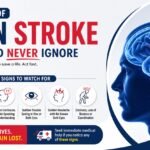 Previous Post
 Next Post